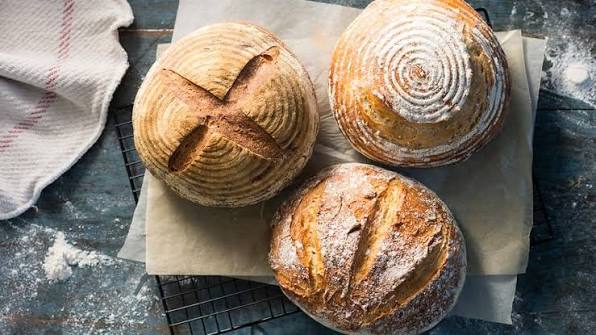
Rye (Secale cereale) has long been a staple in Northern and Eastern Europe, but it is often misunderstood in the Western baking world. Unlike modern wheat, which has been bred for high gluten strength and fluffiness, rye is a grain of depth, hardiness, and incredible nutritional complexity.
The Nutritional Powerhouse From a health perspective, rye is a powerhouse. It contains a higher concentration of fiber than wheat, specifically a type of fiber called arabinoxylan, which is known for its high antioxidant activity. Furthermore, rye has a lower glycemic index. This means that a slice of rye sourdough won't cause the same dramatic spike in blood sugar that white bread does, making it a preferred choice for sustained energy throughout the day.
The Chemistry of Rye Baking From a baking perspective, rye is a different beast entirely. It contains less glutenin and gliadin (the components of gluten) and more pentosans. Pentosans compete with gluten for water, which results in a dough that feels more like "clay" or "mud" than the elastic wheat dough you might be used to.
Low Gluten: You cannot "knead" rye into a windowpane.
High Hydration: Rye absorbs significantly more water than wheat.
Acidity Requirement: Rye needs the acidity of a sourdough starter to prevent "starch attack" (where enzymes turn the bread into a gummy mess).
Working with rye requires a long, cold fermentation. This slow process allows the natural acids in the sourdough starter to break down the starches and phytates in the rye, making the nutrients more bioavailable and the bread easier to digest. At The Sourdough Sanctuary, we believe that understanding the grain is the first step to mastering the loaf. Rye isn't just an alternative to wheat; it’s a journey back to the roots of traditional baking.